
Why Upholstery Manufacturing ERP is a necessity in 2025?
The upholstery industry is evolving fast in 2025 and is predicted to grow at a CAGR of over 5.5%, reaching $27.58 billion by 2030. With rising customer expectations, tighter delivery timelines, and growing demand for customization, upholstery businesses must rethink how they operate.
Relying on outdated methods is no longer sustainable or optimum. That’s where upholstery manufacturing ERP software plays a key role. It helps streamline operations, reduce errors, and improve margins across every stage of production and delivery.
Challenges of Sticking to the “Traditional Ways”
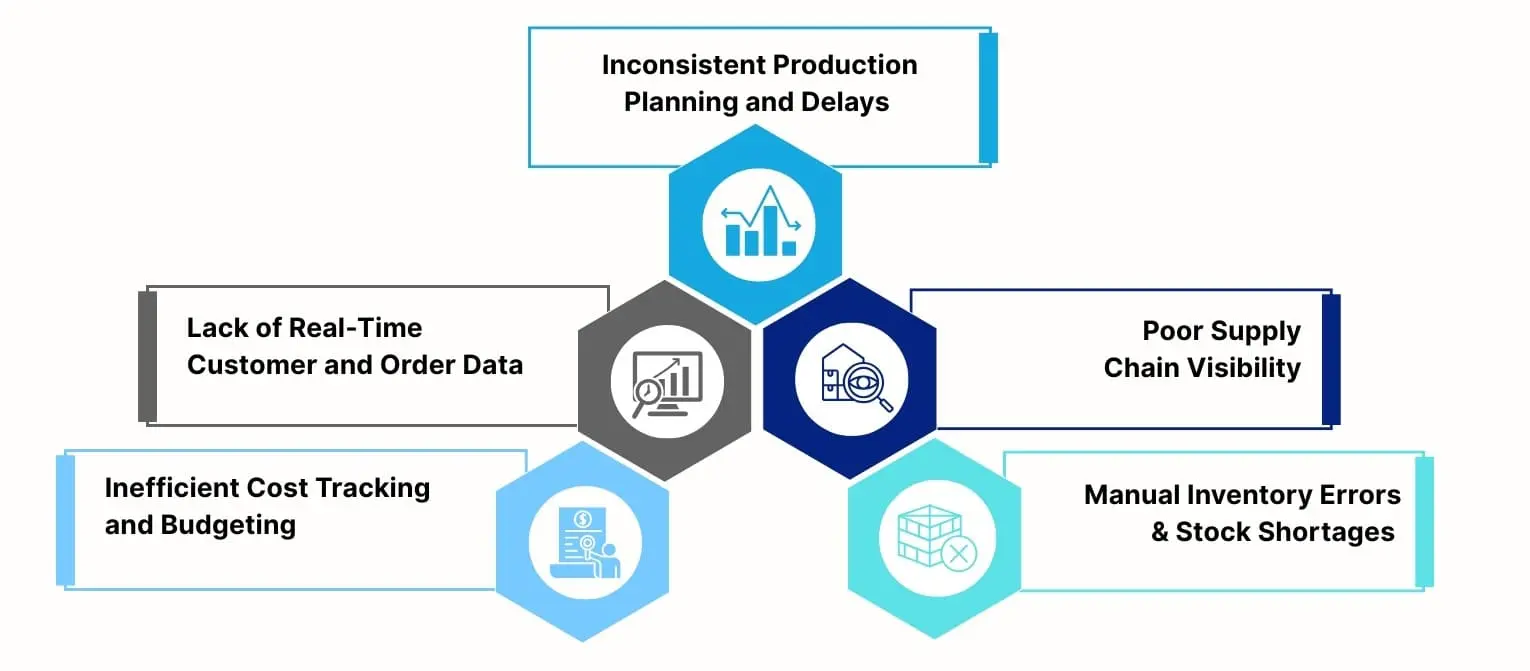
Manual Inventory Errors and Stock Shortages
Upholstery production involves a wide range of materials that are involved in a wider range of processes every step of the way. So, without an automated system, tracking materials becomes a huge task and also prone to a lot of errors. Missing raw materials or overstocking cuts into profits leading to unnecessary delays.
Inconsistent Production Planning and Delays
Paper-based schedules or spreadsheets have their advantages, but they definitely can’t keep up with fluctuating orders and workforce changes that always happen in upholstery manufacturing. Paper-based schedules are also prone to physical damage or tampering, creating a good chance for bottlenecks and missed deadlines to occur.
Lack of Real-Time Customer and Order Data
Traditional systems don’t offer a full picture of customer interactions or order histories. To keep up with the current upholstery market trends, knowing what your customers’ preferences are plays a huge role. Without real-time customer and order data, it limits the ability to personalize service and predict future upholstery demands.
Poor Supply Chain Visibility
Managing suppliers and vendors in an old-fashioned way creates a lot of opportunities for communication gaps. If your suppliers, vendors, and internal teams aren’t connected through a unified system, there will always be a lack of visibility on the upholstery supply chain. This will inevitably lead to errors in customer orders and delivery issues.
Inefficient Cost Tracking and Budgeting
Keeping track of financial data through manual methods is always a tedious task. When it comes to upholstery manufacturing or upholstery production, it gets even more tricky. Without centralized financial data, it’s hard to track costs accurately or understand where resources are being wasted.
Key Features of an Upholstery ERP Software for the 2025 Market

Real-Time Inventory and Material Tracking
In textile upholstery manufacturing, managing a wide variety of fabrics, threads, linings, and embellishments can be overwhelming. An ERP system offering inventory management features help with real-time visibility into raw materials, in-process fabrics, and finished goods.
These tools centralize stock data from cutting, stitching, and finishing units, ensuring you never run out of high-demand fabrics or slow-moving ones. With instant updates on stock levels and automated reorder alerts, production teams can operate with fewer delays and tighter inventory control.
AI-Based Production Scheduling and Optimization
Fabric upholstery often involves made-to-order designs with varying textures, colors, and finishes – making production planning more complex. An upholstery manufacturing ERP integrated with AI helps simplify this by automatically creating and adjusting schedules based on order priority, machine availability (like cutting or sewing stations), and material readiness.
This helps to reduce manual planning errors, prevent bottlenecks in fabric handling and processing, and ensure timely order fulfillment, even in high-mix, low-volume production setups.
Built-in Quality Control
An upholstery manufacturing ERP with integrated quality control modules allows manufacturers to define quality checkpoints – whether it’s fabric strength, color consistency, or stitching precision.
These checkpoints are tracked throughout the production process, with real-time alerts for defects or deviations. This ensures that only materials meeting set standards move forward, reducing costly rework and returns. With better visibility into quality metrics, manufacturers can uphold brand standards and improve customer satisfaction over time.
Smart Supplier and Vendor Management
Sourcing fabrics, threads, dyes, and trims from multiple suppliers comes with challenges – especially when quality and lead time directly affect production timelines. An upholstery manufacturing ERP helps manage supplier performance by tracking delivery accuracy, pricing, and defect rates.
With these insights, manufacturers can make informed sourcing decisions, minimize disruptions, and ensure they’re always working with reliable partners. During fabric shortages or price fluctuations, the system helps you quickly identify alternate suppliers without compromising deadlines.
Advanced Analytics and Forecasting Tools
Textile upholstery manufacturing must respond to trends in color, texture, and consumer preferences – often with little notice. Advanced ERP analytics help you spot these trends early by analyzing historical order patterns, seasonal demand, and fabric usage rates.
Whether you’re preparing for a seasonal surge in velvet sofas or responding to growing interest in sustainable fabrics, forecasting tools give you the edge. You can better align procurement, optimize fabric rolls, and plan workforce allocation – all while keeping costs in check.
Results You Can Expect
By adopting an upholstery manufacturing ERP such as iTexClouds, businesses can expect more than just automation. You gain end-to-end visibility, improve collaboration, and respond faster to customer needs. Teams spend less time fixing errors and more time focusing on growth. Profit margins increase through better planning, fewer delays, and optimized resource use. Most importantly, you stay competitive in a rapidly changing market.
The upholstery market in 2025 is defined by speed, precision, and personalization. To meet these demands, manufacturers must leave behind traditional workflows. Implementing a powerful ERP system is no longer a luxury. It’s a strategic move to stay relevant, efficient, and profitable.